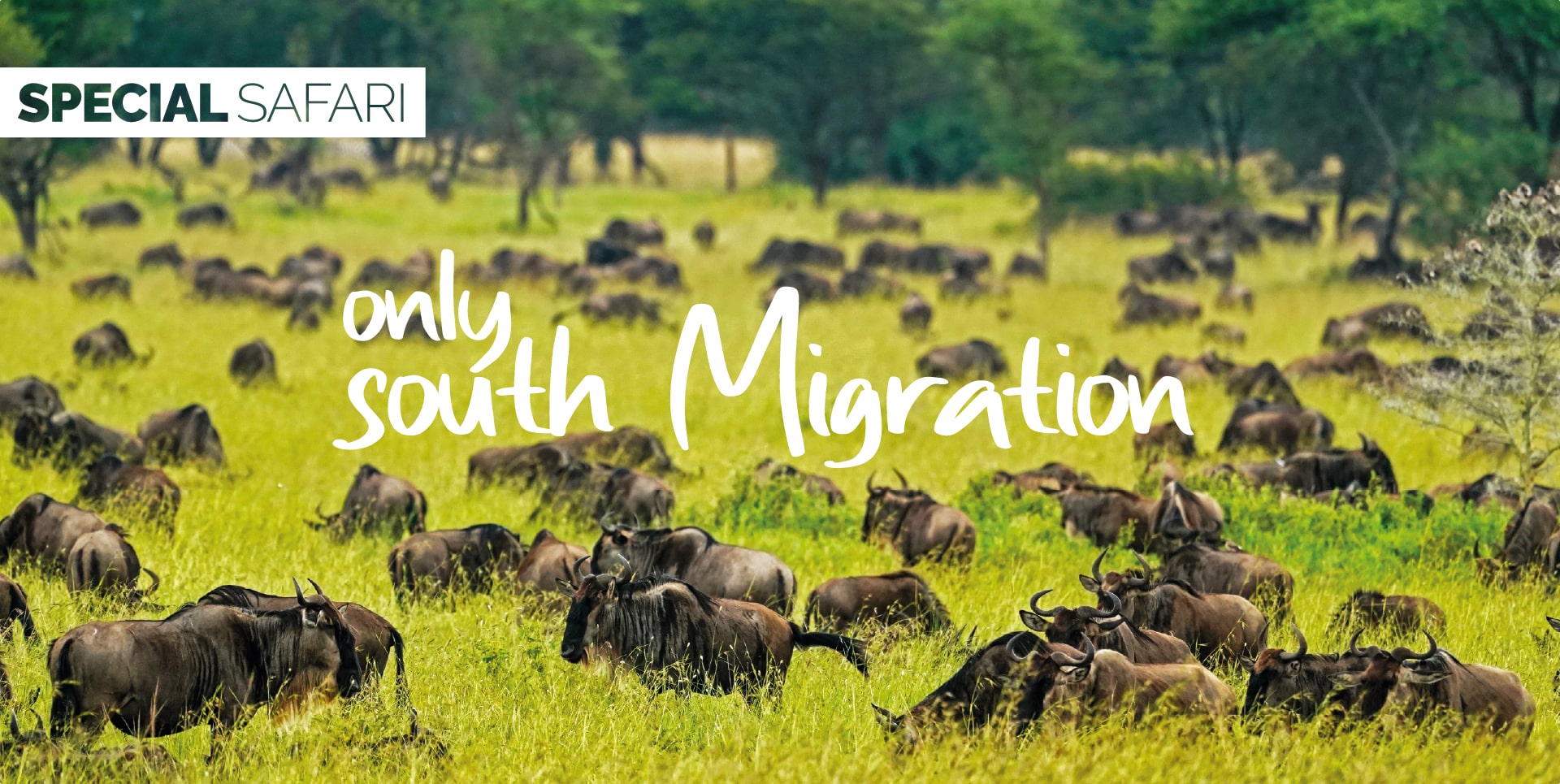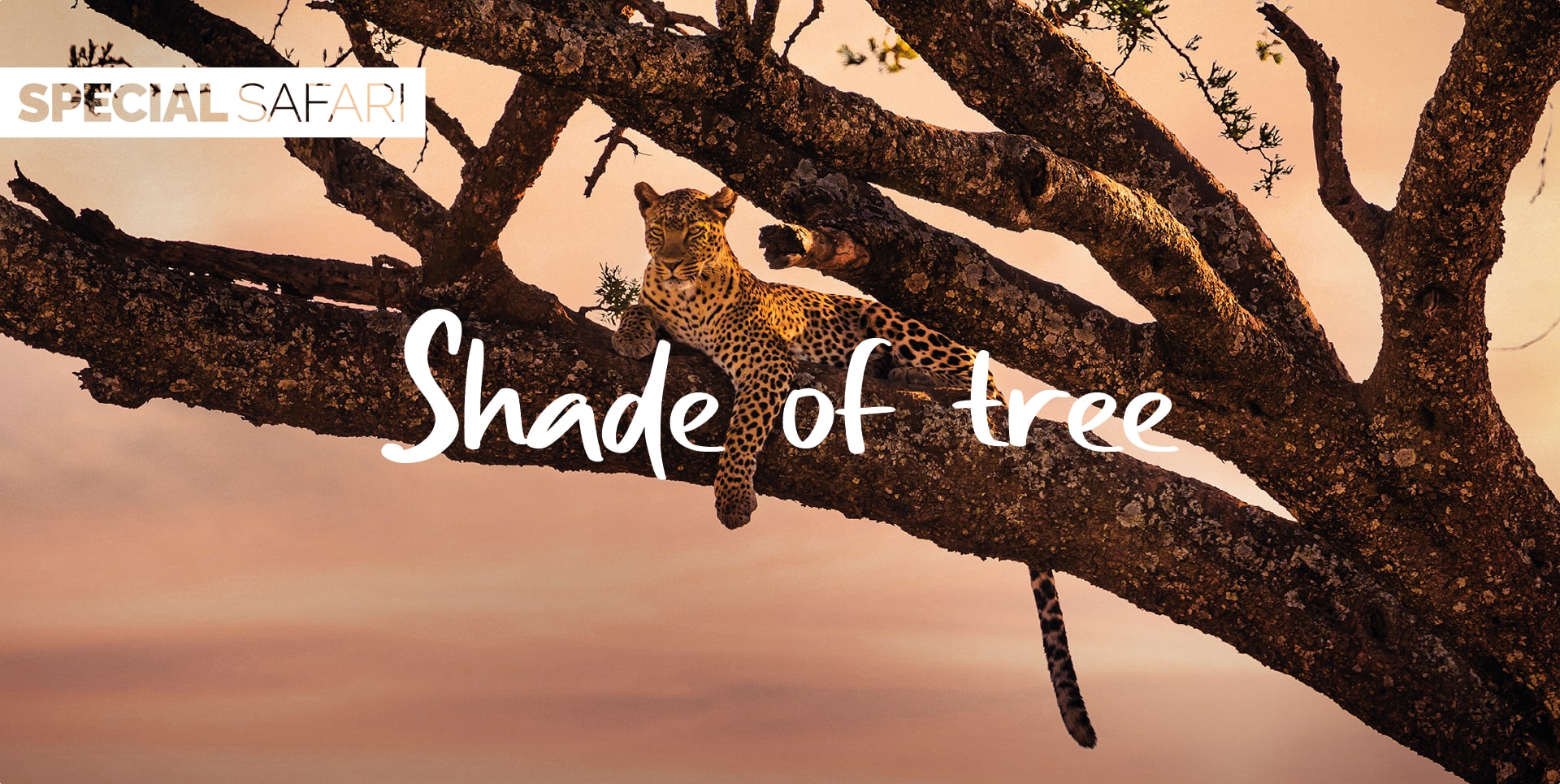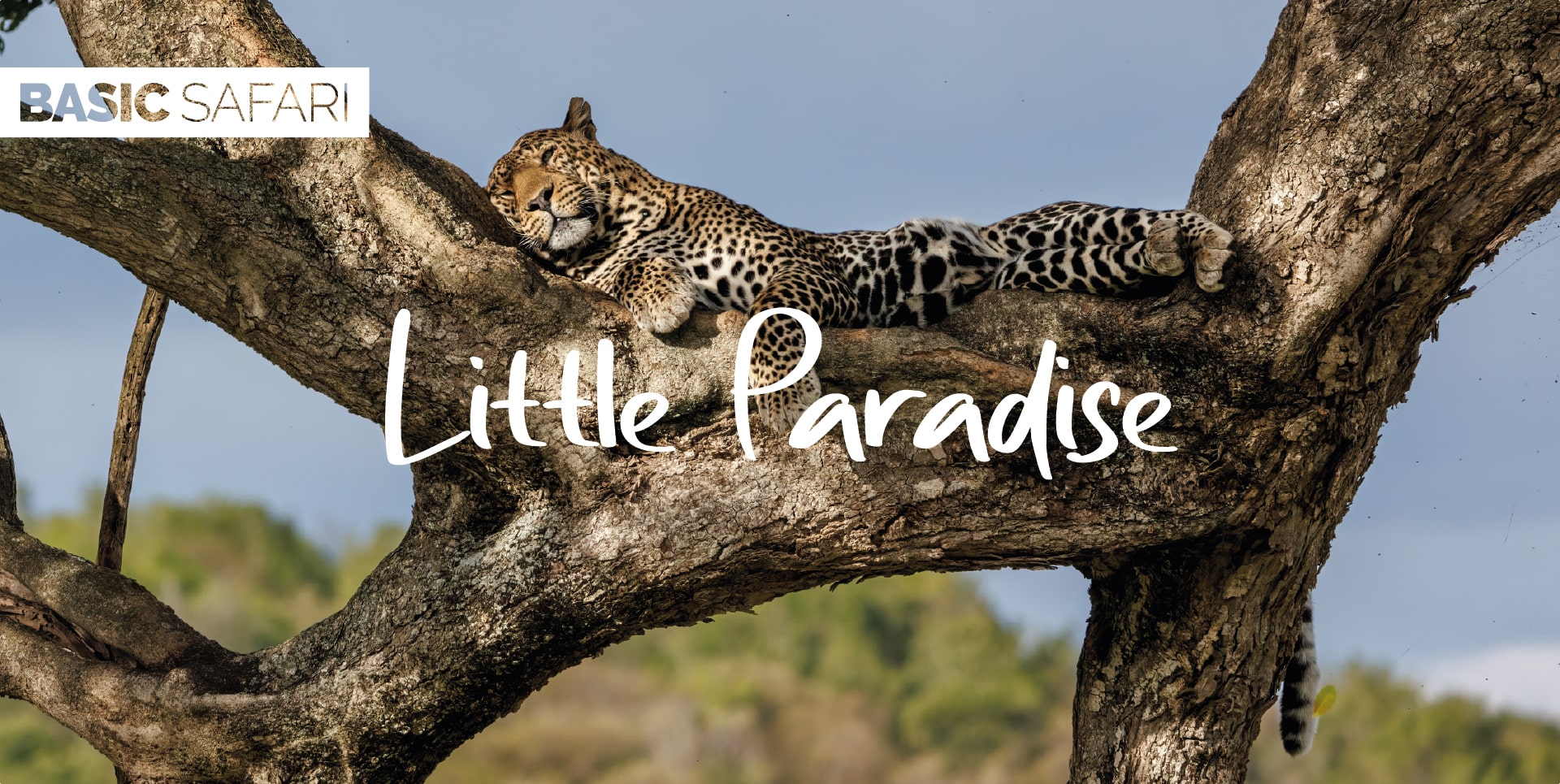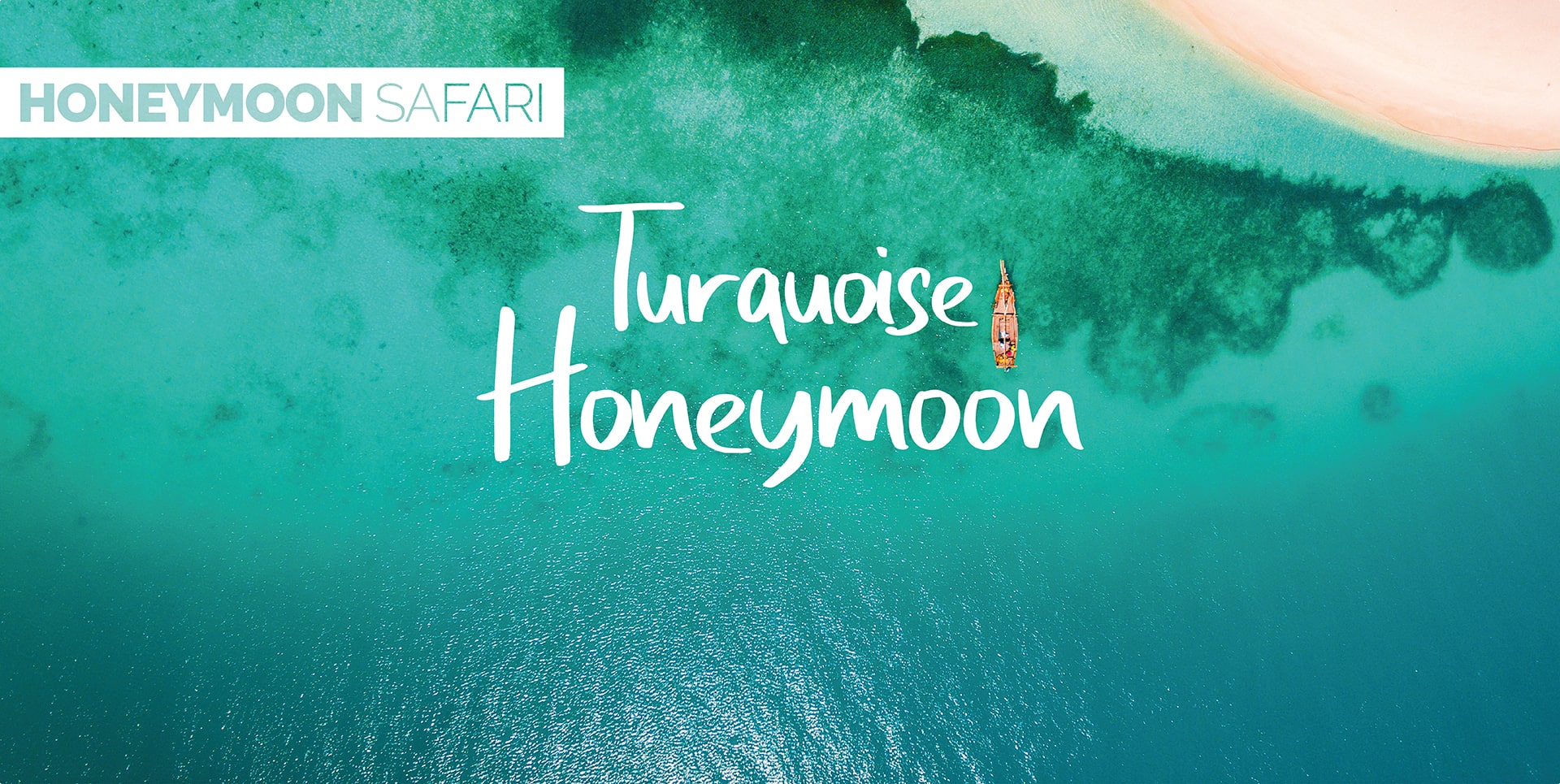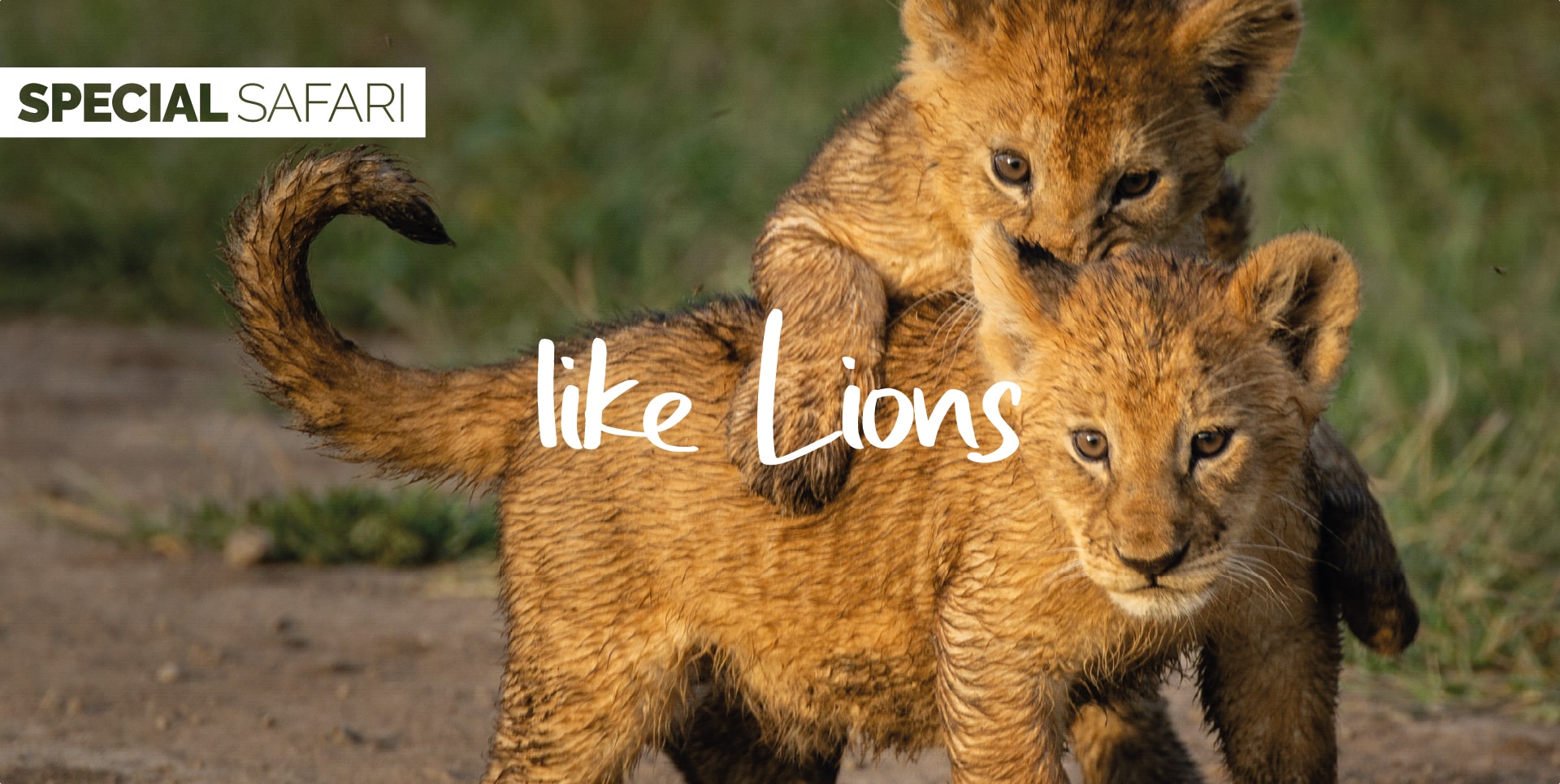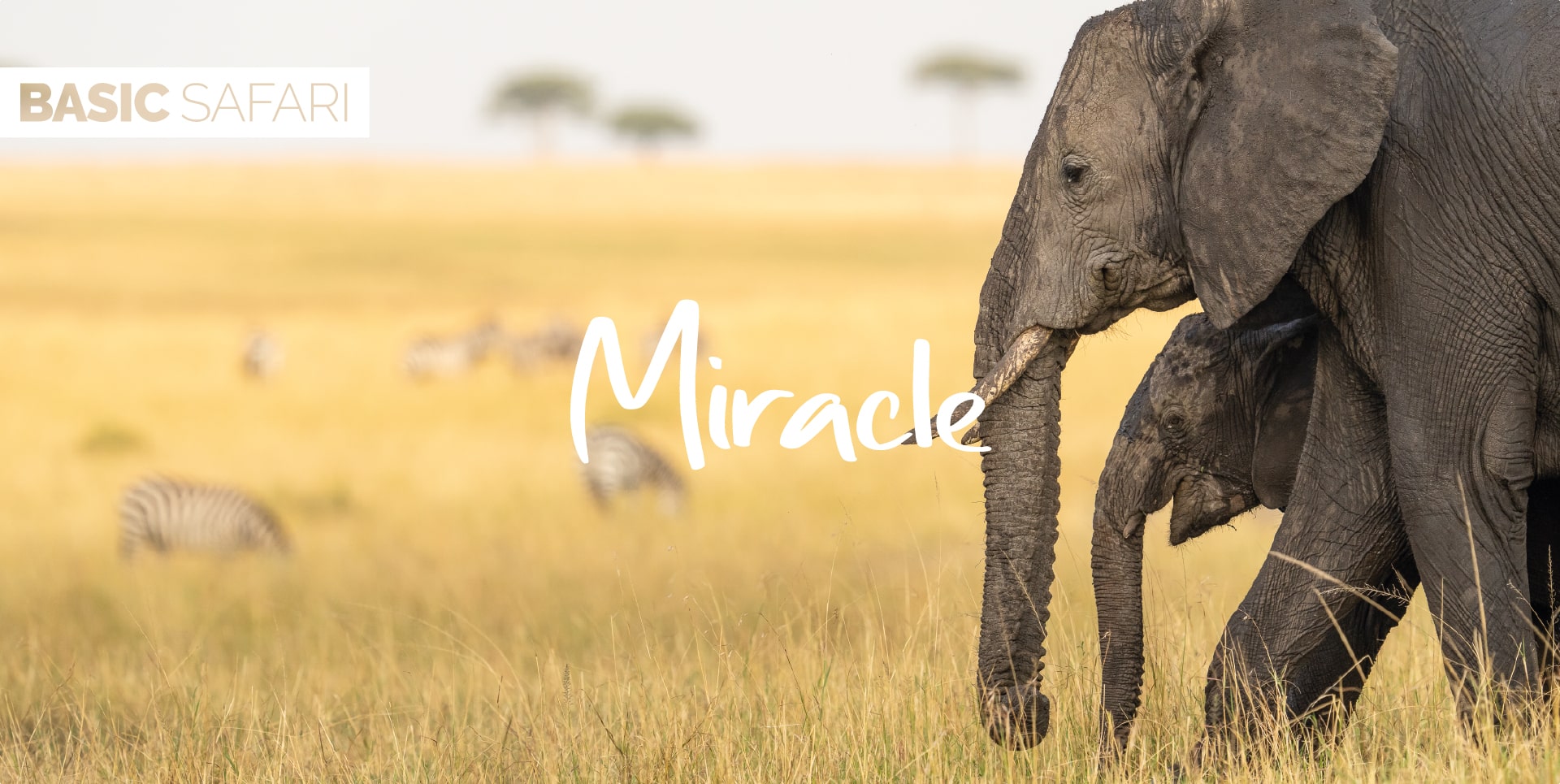

Those who choose Tanzania often do so to experience the thrill of a wildlife sighting on the savannah: a lion crossing the track, a family of elephants at sunset, the golden light transforming the tall grass into a rolling sea. Yet there is another aspect of the journey that is just as surprising as the national parks: the sea.
The beaches in Tanzania are the other side of an incredibly well-rounded destination, where adventure and tranquillity can coexist within the same itinerary. From the coral islands to the mainland coastline, the Indian Ocean offers scenery that does not feel like an ‘add-on’ to a safari, but rather its natural complement: a way to slow down, breathe and prolong that sense of wonder.
Tanzania: safaris and the ocean in one trip
One of the reasons why this country captivates an international audience is its geographical diversity. Tanzania borders the Indian Ocean with a coastline approximately 800 km long, complemented by islands and archipelagos that further expand the possibilities for travel.
After days spent amidst red dust, dirt tracks and iconic landscapes, reaching the sea means changing pace without changing ‘intensity’: nature remains the star of the show, just in a different form – one made up of coral reefs, tides, Swahili villages and stretches of the whitest sand.
With this in mind, choosing and combining the stops effectively makes all the difference. It is also why many travellers prefer to use a tour operator specialising in safaris in Tanzania, one that can plan realistic itineraries linking the parks and the coast, taking into account transfer times, seasonal factors and the type of experience sought.
Mafia Island: authenticity, coral reefs and amazing marine encounters
If you’re looking for a quieter, less ‘glamorous’ seaside experience, Mafia Island is often the best choice. Despite its name, the atmosphere is quite the opposite: peaceful, intimate, with the authentic energy of a proper island, where the day seems to follow the rhythms of the ocean.
The main attraction here is not just the beach itself, but the entire marine environment, with its reefs teeming with life and crystal-clear waters that are ideal for snorkelling and diving.
Mafia is also known for the chance to spot whale sharks at certain times of the year, an experience that many travellers consider to be one of the most thrilling in the Indian Ocean.
The most commonly cited periods for these trips are generally from October to February, although nature does not follow a strict calendar and conditions vary from season to season. What makes it all the more special is the feeling of being ‘far away’, without having to compromise on comfort and amenities when choosing carefully selected accommodation.
Nungwi and Kendwa: northern Zanzibar, with its light, tides and varied atmospheres
When it comes to beaches in Tanzania, Zanzibar is inevitably one of the first places that spring to mind. And in the north of the main island (Unguja), Nungwi and Kendwa are two classic destinations for very good reasons: white sand, a sea with tropical hues, and sunsets that seem made to linger in the memory.
Nungwi is often livelier and more ‘sociable’, offering a blend of tradition and activity: dhow shipyards, restaurants, markets, and a vibrant local life that you can really sense even whilst walking along the shoreline. Kendwa, not far away, is popular with those seeking a more relaxed atmosphere and beaches that are ideal for swimming and enjoying the sea to the full.
The added bonus here is how easily you can combine the seaside with nature: many itineraries include Zanzibar as an extension following a safari in Tanzania, turning the trip into a two-part story, both parts memorable but each with its own distinct character.
Pemba: the ‘hidden gem’ for those looking to get off the beaten track
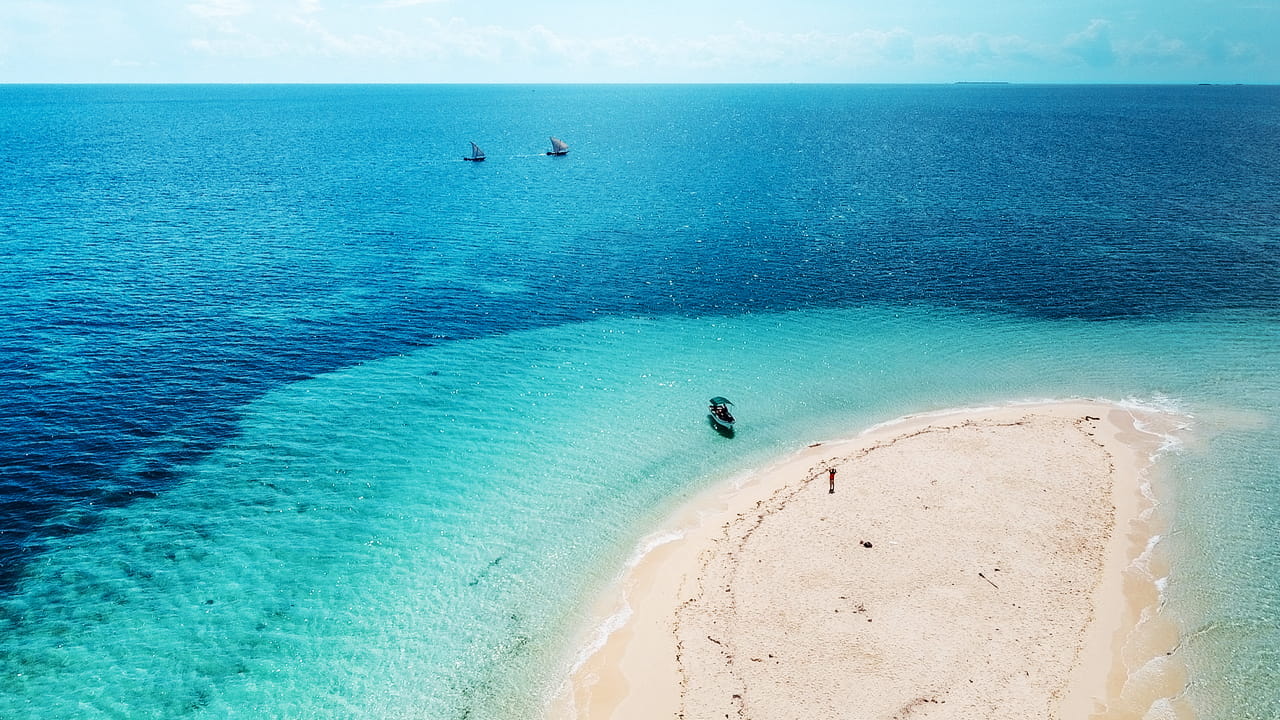
For those seeking a more secluded experience, Pemba is a name that often comes up amongst lovers of authentic islands. It forms part of the Zanzibar archipelago, but has its own distinct identity: greener, quieter and less developed for tourism.
Its coastline alternates between wide, sandy stretches and bays and inlets, with mangrove areas that lend the landscape a distinctive, almost ‘mysterious’ character.
Pemba is often chosen by those who love the sea not just for relaxation, but for exploration: diving, snorkelling, boat trips, and that rare feeling of vast open spaces and a slower pace of life. It’s a destination that’s ideal for those seeking not only the ‘picture-postcard’ beaches amongst Tanzania’s most beautiful, but also those that capture a particular atmosphere.
Mnemba: a protected reef and a sea perfect for underwater photography
When it comes to the sea and biodiversity, Mnemba is one of the most iconic names. It is a small island off the north-eastern coast of Unguja, surrounded by a reef renowned for its abundance of marine life. The area is designated as a marine conservation area, an important consideration for those seeking water-based experiences that take environmental impact into account.
In this stretch of ocean, visibility can be excellent, and diving becomes almost like a journey in its own right: corals, tropical fish, and occasionally turtles, with other encounters that vary depending on the season and sea conditions.
As part of a well-planned itinerary, Mnemba can be a real ‘wow’ experience centred around the ocean, especially for those who love snorkelling and photography.
Kilwa: beaches, Swahili history and UNESCO World Heritage sites
Not all beaches are defined solely by the colours of the sea. Kilwa, on the southern coast, adds a rare element: history. Here lie the ruins of Kilwa Kisiwani and Songo Mnara, ancient Swahili port cities recognised as UNESCO World Heritage Sites. Walking amongst the stone structures, imagining the trade routes of the Indian Ocean and then returning to the coast creates a fascinating, almost cinematic contrast.
Kilwa is perfect for those who want to alternate days at the beach with cultural experiences, at a more contemplative pace, and discover Tanzania in all its historical and natural depth.
Ushongo and Pangani: the quietest and most unspoilt stretch of mainland coastline
Among the alternatives less well known to the general public, Ushongo (in the Pangani area) is often cited as one of the best choices for those seeking the sea, tranquillity and authenticity. The beach is wide, the landscape simple and bright, and the atmosphere is that of a coastline experienced in a natural way, without the ‘pressure’ of having to be perfect.
Here, the days are spent enjoying the sea, long walks and stunning sunsets, with the option of short trips on a dhow, which add a traditional touch to the experience.
It’s a stopover that works particularly well for those who want to stay on the continent whilst still enjoying the allure of the sea, perhaps after exploring Tanzania’s national parks: the transition from the savannah to the ocean, in that case, provides a gentle and rejuvenating conclusion to the trip.
Bagamoyo: the sea and local life, where art meets everyday life
Bagamoyo is different. It isn’t your ‘typical’ tropical postcard destination, and that is precisely why it has such appeal. Here, the sea is woven into everyday life: fishermen, dhows, markets, handicrafts – a vibrant cultural scene that makes the beach a prime vantage point from which to observe the country.
It is an ideal stop for those who want to experience Tanzania ‘up close’, without any filters, and for those who enjoy incorporating moments of interaction with the urban and coastal environments into their travels.
Furthermore, Bagamoyo is often seen as an attractive destination for those dreaming of itineraries that combine nature and the sea in an original way, without giving the impression of taking two separate trips.
When to go: the best time to combine a beach holiday with a safari
To combine a safari and a beach holiday seamlessly, the time of year matters. Generally speaking, the months from June to October are among the most popular: the weather is drier, the days are bright, and conditions are excellent both for wildlife sightings in the parks and for exploring the coastline.
January and February can also offer a great balance, especially for those who want a well-rounded holiday without having to miss out on the seaside.
Many international travellers opt for itineraries that combine a more ‘intense’ safari with a more relaxed beach holiday, perhaps as part of pre-planned packages designed to maximise the value of the trip, such as a 10-day safari with a beach extension.
And for those seeking a high-end experience, there are also more exclusive options, featuring hand-picked lodges and stays on particularly scenic islands or coastlines, such as those offered in luxury safari programmes with exclusive accommodation.
The truth is that there is no single answer to the question ‘which are the best beaches’, because it depends on what you’re looking for: reefs and marine life, culture and history, peace and seclusion, or comfort and amenities. But that is precisely the point: Tanzania is a destination that doesn’t force you to choose just one aspect. Set between the ocean and the savannah, your trip can truly be an ‘all-encompassing’ experience, with Tanzania’s most beautiful beaches leaving just as lasting a memory as a spectacular sighting on safari.