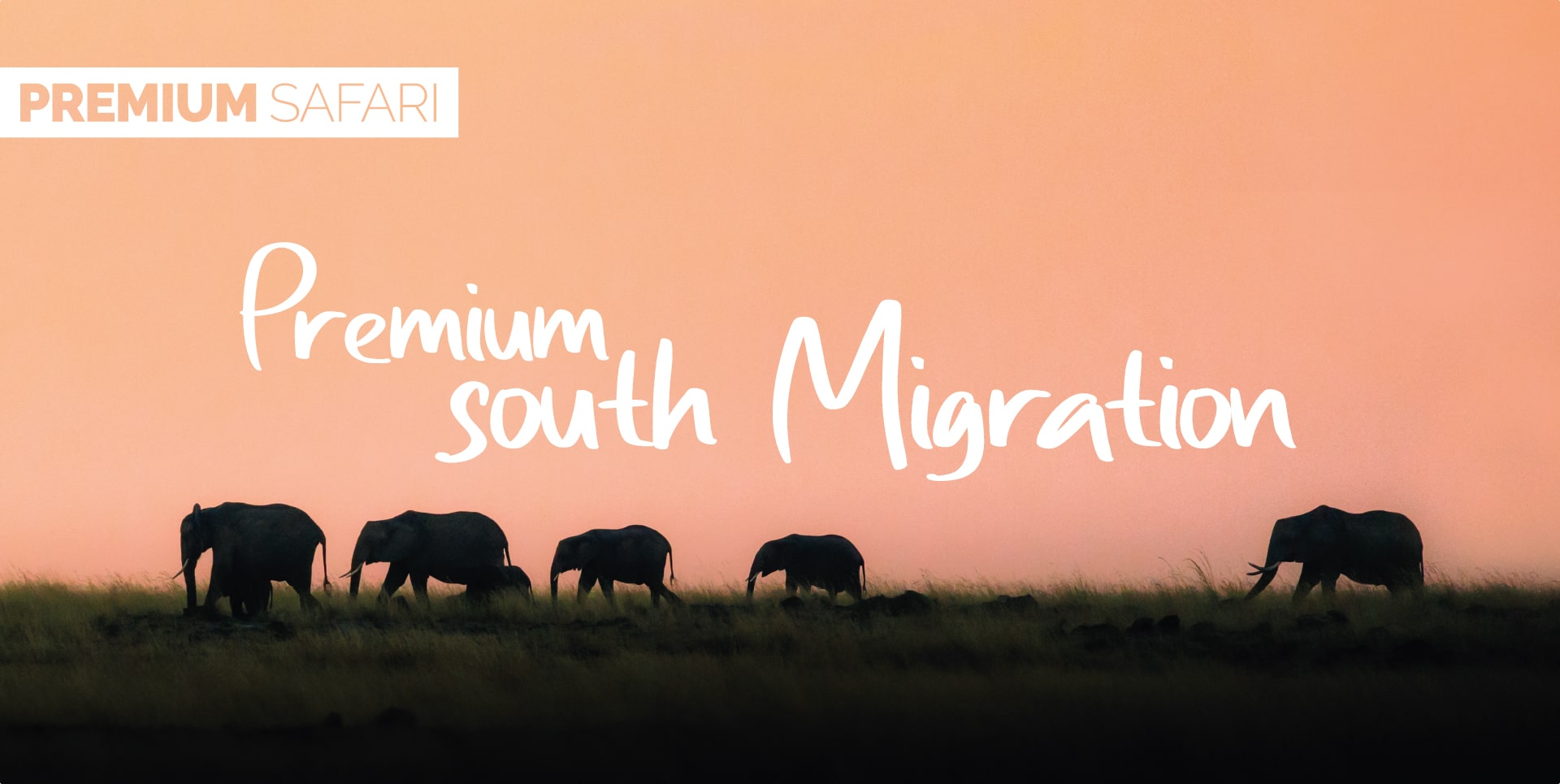

The walking safari in Tanzania is one of the most authentic experiences you can have in the African savannah. Accompanied by experienced rangers, you can walk among zebras, impalas, and elephants in designated areas of Tarangire, Serengeti, Ngorongoro, and Arusha National Park. There is a precise moment when everything changes. It is when you step out of the vehicle, place your feet on the red earth of the savannah, and realize there is nothing left between you and Africa. No doors, no windows, no diesel engine reminding you that you are a visitor. Just you, the warm ground beneath your feet, the air scented with dry grass and dust, and the vast silence of nature surrounding you like a cloak. The walking safari in Tanzania is not simply another way of going on safari: it is the oldest, most authentic, and most visceral way to connect with the wild. It is returning to what humans have always been in Africa: a walker among walkers, an animal among animals.
What is a walking safari in Tanzania?
Walking in the African savannah represents the most immersive and authentic experience that a safari in Tanzania can offer. It is not an alternative to traditional off-road game drives, but something fundamentally different in both nature and emotional intensity: a way of exploring the wilderness that engages all the senses and redefines the relationship between the traveler and the surrounding environment.
The walking safari radically transforms the perception of the savannah. From inside a vehicle, the landscape flows like a cinematic sequence—spectacular, yet mediated. On foot, every detail takes on a new dimension: the rustling of tall grass parting at your steps, the fresh footprints of an elephant in the mud, the intense scent of wild sage, the song of birds suddenly breaking off as a warning of a nearby predator. The professional guide and armed ranger accompanying the group are not just escorts: they are interpreters of an ancient language, capable of reading the savannah like an open book and turning every step into a discovery.
It is an experience designed for travelers seeking more than just big game sightings: they are looking for a deep connection with an ecosystem, the privilege of observing wildlife without the barrier of a vehicle, and the opportunity to come as close as fifteen meters to zebras, impalas, and elephants in a context of the highest attention to safety. The walking safari is for those who want to bring home not only photographs, but memories etched into the body and muscle memory.
The thrill of exploring the savannah on foot
The first step out of the vehicle is the one that changes everything. The savannah ground has a surprisingly varied texture: it is not uniform, not predictable. Beneath your trekking shoes, you alternate between compact earth, fine sand, and stiff grass that crunches underfoot. With every step, awareness grows: you are inside the landscape, not observing it from the outside.
The senses become almost instinctively heightened. Hearing becomes the dominant sense. You notice sounds that would be imperceptible from a vehicle: the movement of an animal through the bushes, the alarm call of an antelope, the beating of a raptor’s wings as it takes flight. Smell picks up nuances impossible to perceive through a window: the scent of aromatic savannah plants, the sharp odor left by a recently passing elephant herd, and the damp earth after a night’s rain.
The armed ranger walks at the front, with the naturalist guide alongside the group. Every stop becomes an opportunity for learning: a footprint in the soil reveals that a leopard passed just a few hours earlier, a pile of droppings tells the story of the diet and direction of a herd of herbivores, and stripped bark indicates the height and strength of the elephant that scratched it. It is a safari made of details that remain invisible from a vehicle, a reading of the land that transforms a simple walk into a journey of deep understanding.
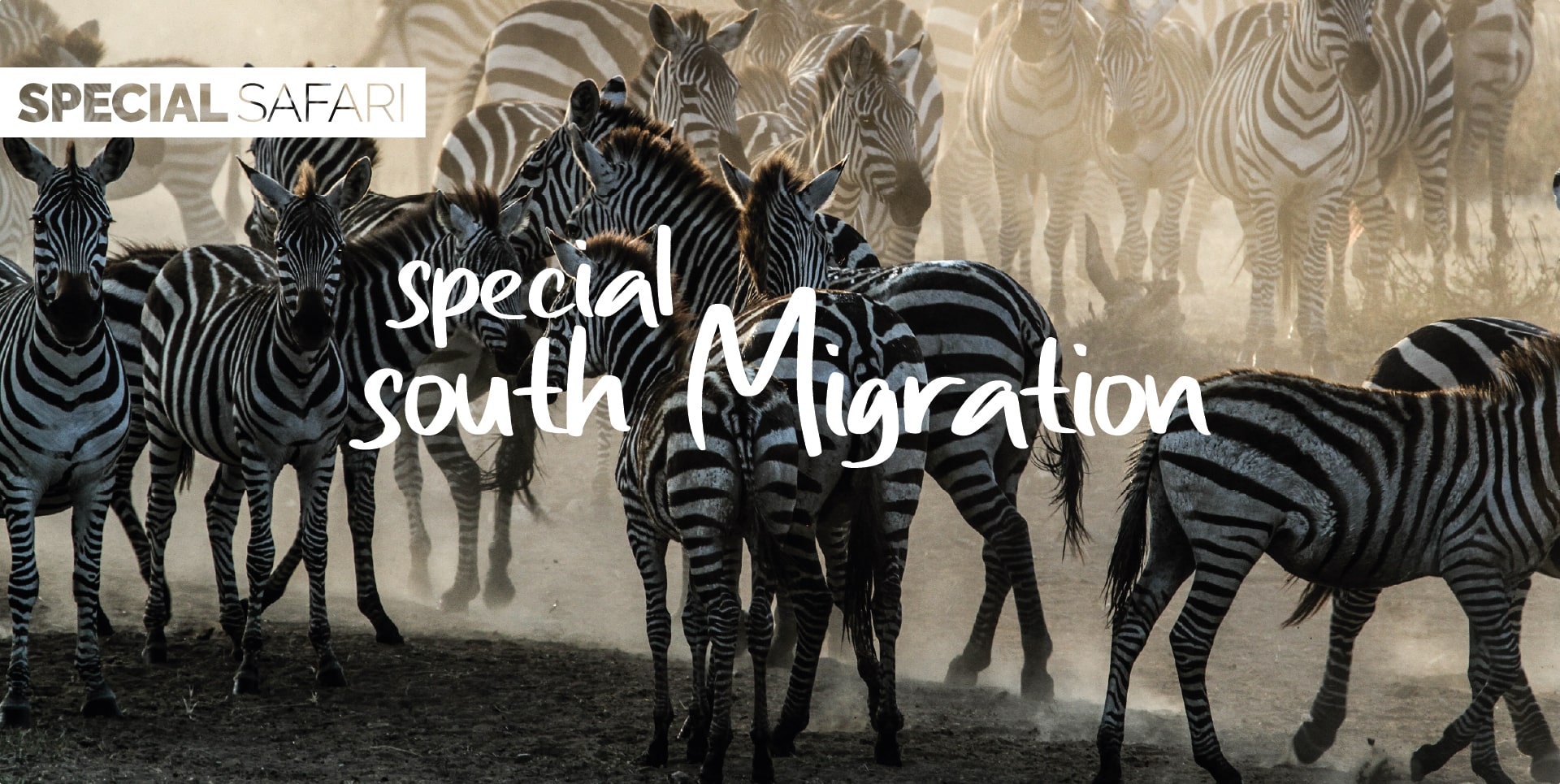
And then there is the adrenaline. The kind you feel when the ranger raises a hand to stop the group, points silently toward a spot between the trees, and suddenly you see them: a herd of zebras just a few meters away, impalas watching you motionless with their ears alert, an elephant slowly crossing the path in front of you. There is no glass between you. No engine. Only space, mutual respect, and an emotion that no game drive will ever be able to replicate.
Where the walking safari takes place
Tanzania offers four extraordinary areas where you can experience a walking safari, each with distinctive landscapes and wildlife. These zones are carefully selected to combine natural interest and safety, and the choice depends on the overall travel itinerary and the traveler’s personal preferences. Each park offers a different experience, from iconic baobab landscapes to vast migratory plains, from the dense wildlife of the crater to the intimacy of montane forests.
Tarangire
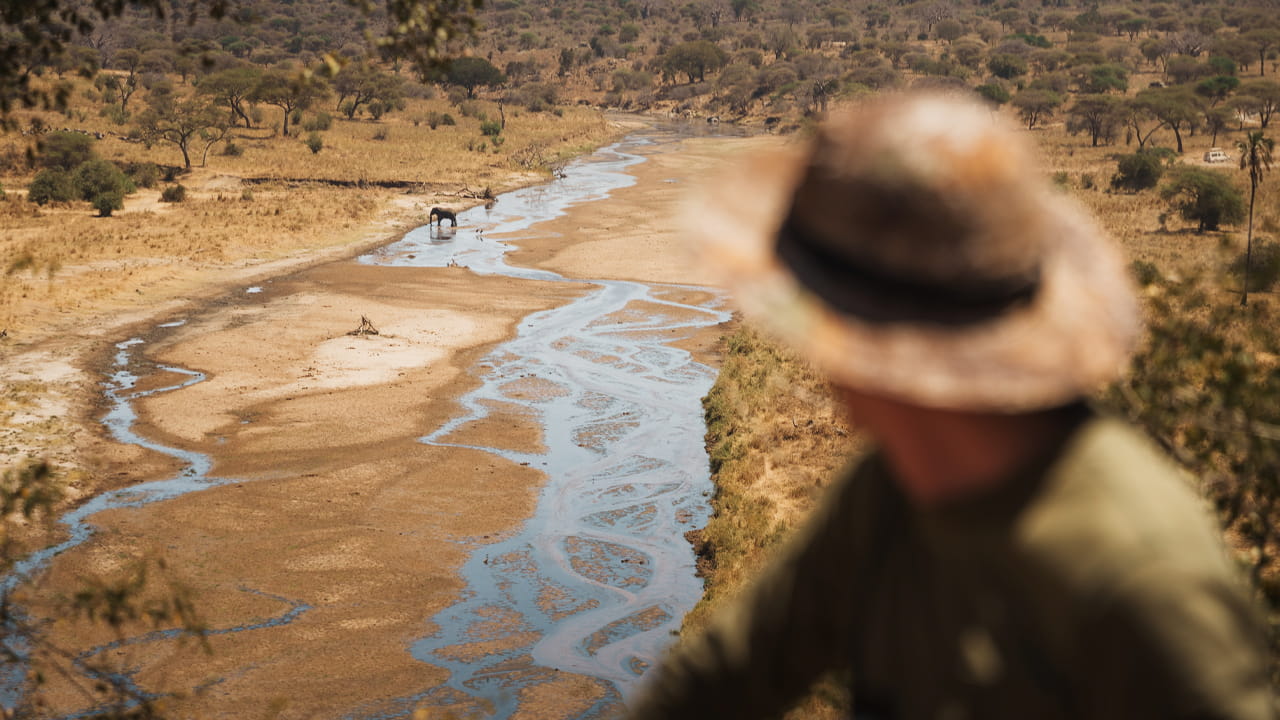
Tarangire National Park is perhaps the most evocative setting for a walking safari. The monumental baobabs, with their enormous trunks and unmistakable silhouettes, create a landscape that seems designed to be explored on foot. Walking among these ancient giants, feeling their bark under your fingers, and observing their scale up close rather than from the window of an off-road vehicle gives a sense of proportion that no photograph can convey. The concentration of elephants is among the highest on the entire African continent, and encountering them during a walk through the savannah, following their tracks with a guide who interprets their movements, is an experience of extraordinary intensity.
Serengeti
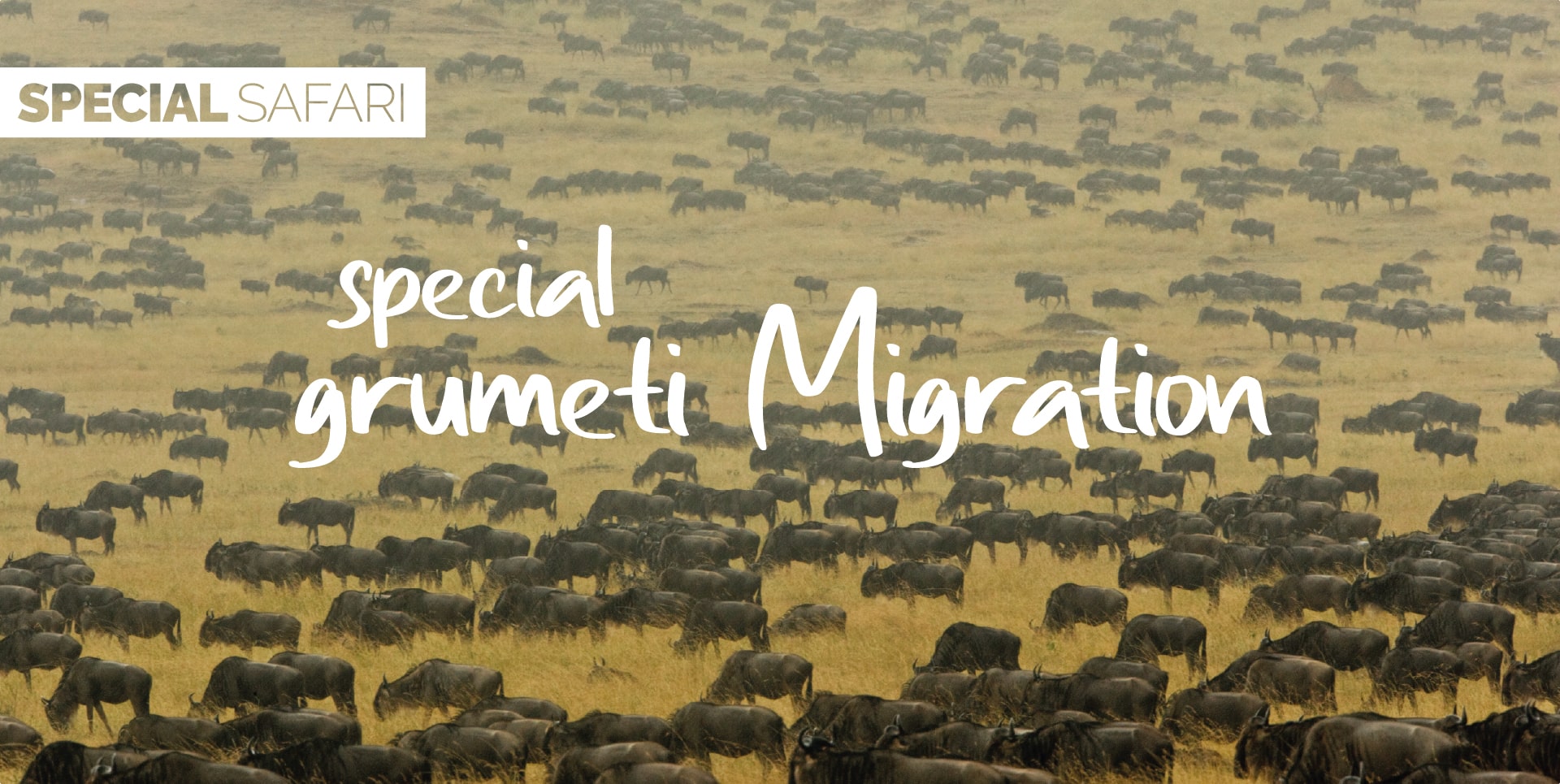
Walking in Serengeti National Park means setting your footsteps in the most famous savannah on Earth. The endless plains, which from a vehicle seem to slide quickly past on either side, reveal their true scale on foot: the horizon feels unreachable, and the sky opens above in a vastness that is breathtaking. During the Great Migration, walking among the tracks left by millions of moving herbivores adds an almost mystical dimension to the experience. The Serengeti on foot is not merely observed: it is inhabited, even if only for a few hours.
Ngorongoro
The Ngorongoro Conservation Area offers a unique setting for a walking safari. The landscapes range from highland grasslands to montane forests, with a concentration of wildlife that makes sightings particularly frequent. Walking safaris in Ngorongoro take place in areas outside the crater, in regions less frequented by traditional tourism, where the sense of isolation and connection with nature is even deeper. It is the ideal choice for those seeking an authentic exploration experience, far from the more heavily visited routes.
Arusha National Park
Arusha National Park is the perfect option for those seeking a more intimate and small-scale walking safari. The montane forests, volcanic lakes, and lush vegetation create an environment that is profoundly different from the open savannah, where exploring on foot takes on the character of an immersion in tropical nature. The trails cross varied habitats within a relatively compact area, offering a surprising diversity of landscapes. It is particularly well-suited for those visiting Arusha before or after their main safari and who want a walking experience without straying far from the city.
How does a walking safari take place?
The walking safari experience is organized with meticulous attention to safety and the quality of exploration. Every stage is designed to ensure maximum engagement while respecting park regulations and the well-being of the animals. The duration is flexible, ranging from one or two hours up to four hours of walking, and the pace is always adjusted to the group, making the activity accessible even to those not accustomed to long walks.
Morning departure and safety briefing
The walking safari takes place in the early morning hours, when temperatures are milder and wildlife is more active. Before taking the first step into the savannah, the armed ranger conducts a detailed safety briefing. The instructions are clear and non-negotiable: stay close to the group, do not raise your voice, avoid sudden movements, and always follow the ranger’s guidance. The procedures to follow in the event of a close encounter with potentially dangerous animals are explained, as well as the safety distances that must be respected.
The professionalism of the briefing conveys a sense of complete control of the situation. The ranger is not a simple guide: he is a trained professional who works in the wilderness, with deep knowledge of the terrain and animal behavior. His presence, with a rifle over his shoulder, is not intimidating but reassuring. You know you are in expert hands, and this allows you to experience the safari with excitement rather than anxiety.
The walk in the savannah
Then you set off. And the world changes pace. Your steps become slow, deliberate, and attentive. You do not walk to reach a destination: you walk to observe, to listen, to feel. The naturalist guide frequently stops to point out details that an untrained eye would miss: a nest woven among the branches, the tracks of a beetle in the sand, a hyena footprint partly erased by the wind.
The duration of the walk varies from one to four hours, depending on the group’s preferences and the conditions of the terrain. The pace is always adaptable: it is not a forced march, but an exploration that respects each participant’s rhythm. Stops are frequent and become moments of learning, during which the guide explains the dynamics of the ecosystem, the relationships between predators and prey, and the role of each species in the balance of the savannah.
It is during these walks that a deeper understanding of the savannah develops—one that cannot be achieved from inside a vehicle. You learn to read the terrain, to recognize medicinal plants used by local communities, and to distinguish the footprints of a young elephant from those of a fully grown one. A walking safari does not show the savannah: it teaches it.
Close encounters with wildlife
The moment that makes a walking safari unforgettable often arrives without warning. The ranger slows his pace and raises his hand. The group stops. And there, fifteen meters away, a herd of zebras grazes calmly in the tall grass. Or a group of impalas watches your approach with curiosity rather than fear. Or again, the unmistakable silhouette of an elephant materializes among the baobabs, so close that you can almost feel its deep breathing.
Proximity changes everything. From a vehicle, animals are subjects to photograph. On foot, they are living presences with whom you share the same space, on the same level. You do not look down on them from an off-road vehicle: you encounter them as equals. Zebras, antelopes, impalas, ostriches, and elephants are among the most frequently sighted animals, but every walk brings different surprises. Sightings are never guaranteed — nature remains sovereign — but they are highly likely in the areas selected for walking safaris, where wildlife density is consistently high.
Practical information and requirements
Planning a walking safari requires attention to certain practical aspects that help make the experience safe and fully enjoyable. From appropriate clothing to participation requirements, knowing every detail in advance allows you to focus entirely on the excitement of exploring on foot.
Who can participate?
A walking safari is suitable for adults and teenagers, but it is not recommended for young children. The nature of the activity, which requires the ability to follow safety instructions and remain quiet for extended periods, makes it more appropriate for participants who are able to understand and respect the rules set by the ranger.
The maximum number of participants per group is set at ten people, a limit that ensures safety, manageability, and a high-quality experience. Smaller groups mean less noise, reduced impact on wildlife, and greater opportunity for each participant to interact with the guide and experience sightings without crowding.
No particular level of physical fitness is required. The pace is adaptable, and frequent stops allow for rest and recovery. It is sufficient to be able to walk on uneven terrain for a period ranging from one to four hours, depending on the chosen duration. The experience is always private, reserved exclusively for your own group, which ensures total flexibility in managing timing and stops.
What to bring
The right equipment makes a significant difference in the comfort and enjoyment of the experience. Trekking shoes are the most important item: they must be comfortable, already broken in, and have a sole suitable for the uneven terrain of the savannah. Long trousers protect against scratches, insects, and vegetation. Neutral colors and earth tones are preferable both for blending into the environment and for not attracting the attention of animals.
Enough water, a wide-brimmed hat, and sunscreen are essential, especially during the hours when the sun rises quickly. A camera and binoculars greatly enhance the experience, allowing you to capture details and follow animals even from a distance. The use of drones is not permitted in national parks, for safety reasons and to protect wildlife. The ideal approach is to travel light, carrying only the essentials in a soft backpack that does not restrict movement.
What is included?
The walking safari package includes a professional naturalist guide, an armed ranger, and all necessary park permits and entrance fees required to carry out the activity. The duration is customizable according to the group’s preferences, ranging from short walks of one or two hours to longer half-day explorations.
A walking safari is considered an extra activity in addition to the main Tanzania safari package, with an extra cost that reflects the exclusivity of the experience and the need for specialized staff. The experience is always private, a significant advantage compared to other activities that are shared with other travelers. This means that timing, pace, and focus of the exploration are entirely in the hands of the group.
When to book a walking safari?
A walking safari is available throughout the year, with no particularly unsuitable periods. Unlike other activities, such as balloon safaris, which depend heavily on wind conditions, walking safaris benefit from remarkable seasonal flexibility, making them easy to integrate into any itinerary regardless of the month of travel.
The activity is, however, subject to weather conditions and park regulations. Heavy rainfall can make trails impassable or reduce visibility, and park authorities may modify accessible areas based on conservation or safety requirements. These cases are rare, but they should be taken into account when planning.
Advance booking is essential, especially during peak season when demand is higher and available rangers may be limited. Relying on a specialized operator who is familiar with the updated regulations of each park and can coordinate permits, staff, and logistics is the safest way to ensure availability on the desired date. Integrating the walking safari from the very planning stage of the itinerary allows it to be placed at the optimal point in the trip, maximizing its emotional impact and its complementarity with the other planned activities.
Why choose a walking safari with Tracks of Africa?
Walking in the African savannah is not an activity to be improvised. It requires experienced armed rangers, guides with in-depth knowledge of the terrain, strict compliance with park regulations, and the ability to manage any situation with absolute professionalism. In a context where you share space with wild animals without the protection of a vehicle, safety is not a detail: it is the fundamental premise of the entire experience.
Tracks of Africa, a tour operator specializing in safaris in Tanzania with years of experience in the sector, guarantees high safety standards and highly qualified staff. The rangers who accompany walking safaris know every corner of the parks in which they operate, are able to interpret the signals of the savannah, and are trained to ensure the group’s protection in any circumstance. The naturalist guides turn each walk into a learning experience, revealing the secrets of an ecosystem that largely remains invisible from a vehicle.
The experience is always private and fully customizable. Duration, pace, and focus of the exploration are tailored to the group’s preferences, whether they are wildlife photography enthusiasts, families with teenagers, or experienced travelers seeking the deepest possible immersion in the savannah. The walking safari can be perfectly integrated into any tailor-made itinerary, becoming not just an isolated activity but a key element of a journey that reveals Africa from every possible perspective.
Walking in the savannah is not just a different way of going on safari. It is discovering that Africa can only truly be understood when you cross it step by step, with your feet on the ground and your gaze at the same level as the animals that inhabit it. And when you stop fifteen meters from an elephant, in absolute silence, you understand that this is exactly the way Africa was meant to be experienced.
Ready to explore the savannah on foot? Contact us to include a walking safari in your tailor-made itinerary in Tanzania.